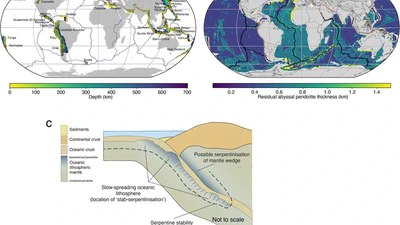
Global Hydrogen Production During High-Pressure Serpentinization of Subducting Slabs
Quantifying global hydrogen production from high-pressure serpentinisation of subducting slabs over the last 5 million years.
andrew-s.-merdith
Quantifying global hydrogen production from high-pressure serpentinisation of subducting slabs over the last 5 million years.
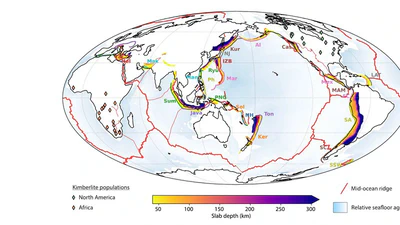
Machine learning reveals that the volume and angle of subducted oceanic plates control where and when diamond-bearing kimberlite eruptions occur.
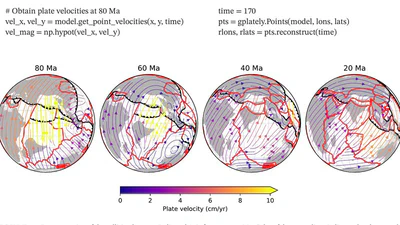
GPlately: a Python interface for deep-time spatio-temporal data analysis using pyGPlates, simplifying plate tectonic reconstructions.
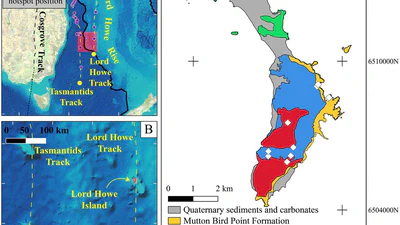
First radiogenic isotope data from Lord Howe Island lavas reveal a secondary mantle plume twin in the Tasman Sea with a distinct deep mantle source.
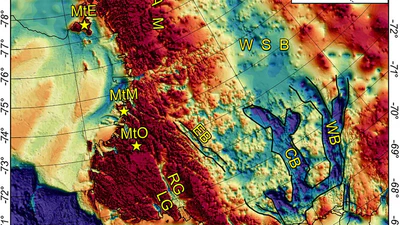
Curie depth estimates from airborne magnetic data reveal anomalously high geothermal heat flow beneath the Transantarctic Mountains and Wilkes Subglacial Basin.
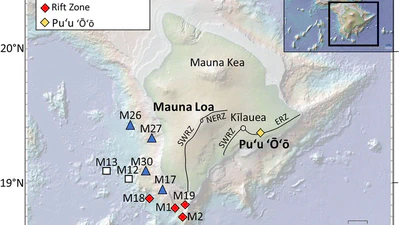
Iron isotope and hafnium data from Kīlauea and Mauna Loa lavas reveal how igneous differentiation and mantle source heterogeneity shape Hawaiian volcanism.
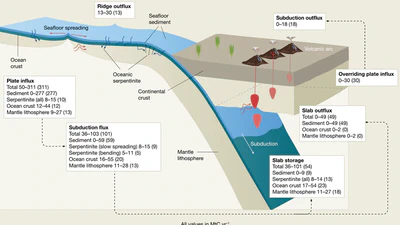
Reconstructing the oceanic carbon conveyor belt over 250 million years reveals plate tectonics as a pivotal driver of Mesozoic climate change.
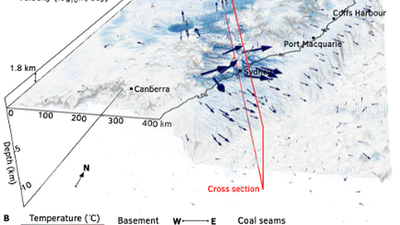
A scalable numerical framework for continental groundwater flow modelling, constrained by hydraulic head, recharge, and borehole temperature data using Bayesian inversion.
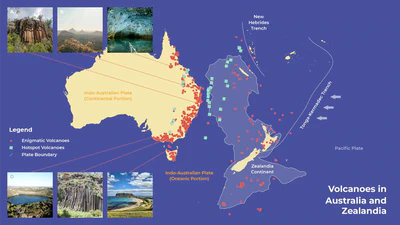
Modelling 100 million years of subducted slab volume reveals that bursts in slab flux trigger intraplate volcanism in eastern Australia.
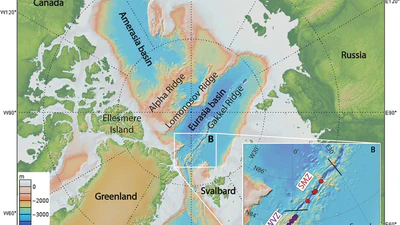
Seafloor lavas from the ultraslow Gakkel Ridge preserve geochemical signatures of an Early Cretaceous subduction zone, revealing ancient mantle heterogeneity beneath the Arctic …