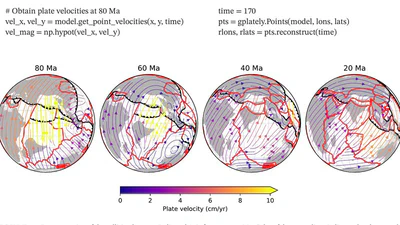
Deep time spatio-temporal data analysis using pyGPlates with PlateTectonicTools and GPlately
GPlately: a Python interface for deep-time spatio-temporal data analysis using pyGPlates, simplifying plate tectonic reconstructions.

GPlately: a Python interface for deep-time spatio-temporal data analysis using pyGPlates, simplifying plate tectonic reconstructions.
GPlately is an open-source Python package built on pyGPlates that accelerates spatio-temporal data analysis for plate tectonic reconstructions. It provides a simplified, …
“Subduction angle exerts a fundamental control on volcanism, mountain building, and ore deposit formation, yet the factors governing slab dip remain debated. We combine the Slab2 …
A four-day workshop introducing participants to GPlates and pyGPlates for plate tectonic reconstructions and spatio-temporal data analysis. The course covers the GPlates desktop …

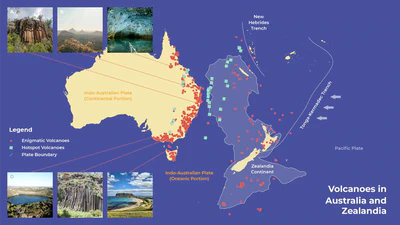
Modelling 100 million years of subducted slab volume reveals that bursts in slab flux trigger intraplate volcanism in eastern Australia.
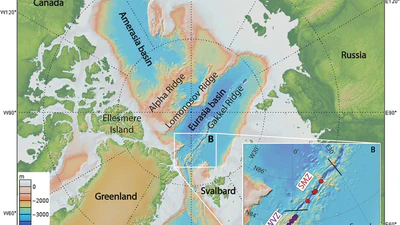
Seafloor lavas from the ultraslow Gakkel Ridge preserve geochemical signatures of an Early Cretaceous subduction zone, revealing ancient mantle heterogeneity beneath the Arctic …

Investigating the link between changes in subducting slab flux and the triggering of intraplate volcanism, with a focus on the volcanic record of eastern Australia.
Partial melting of ancient subducted slabs provide a framework through which to explain non-age progressive volcanism in a region of anomalous mantle composition.
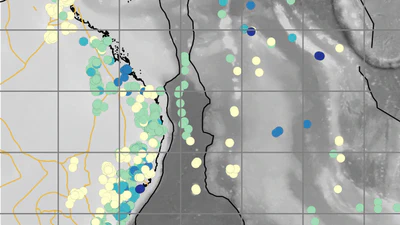
The eastern margin of Australia has experienced extensive mafic volcanism since its breakaway from Antarctica (~ 80 Ma). A plume origin has been suggested for intraplate volcanism, …